
Child safety starts with earlier visibility.
SAFE helps early childhood organisations identify emerging risks earlier, so support can be prioritised before harm occurs.
Child safety concerns rarely appear as a single event. More often, they emerge through small observations made by different people over time. SAFE helps organisations connect those signals, surface emerging patterns and make informed decisions earlier.
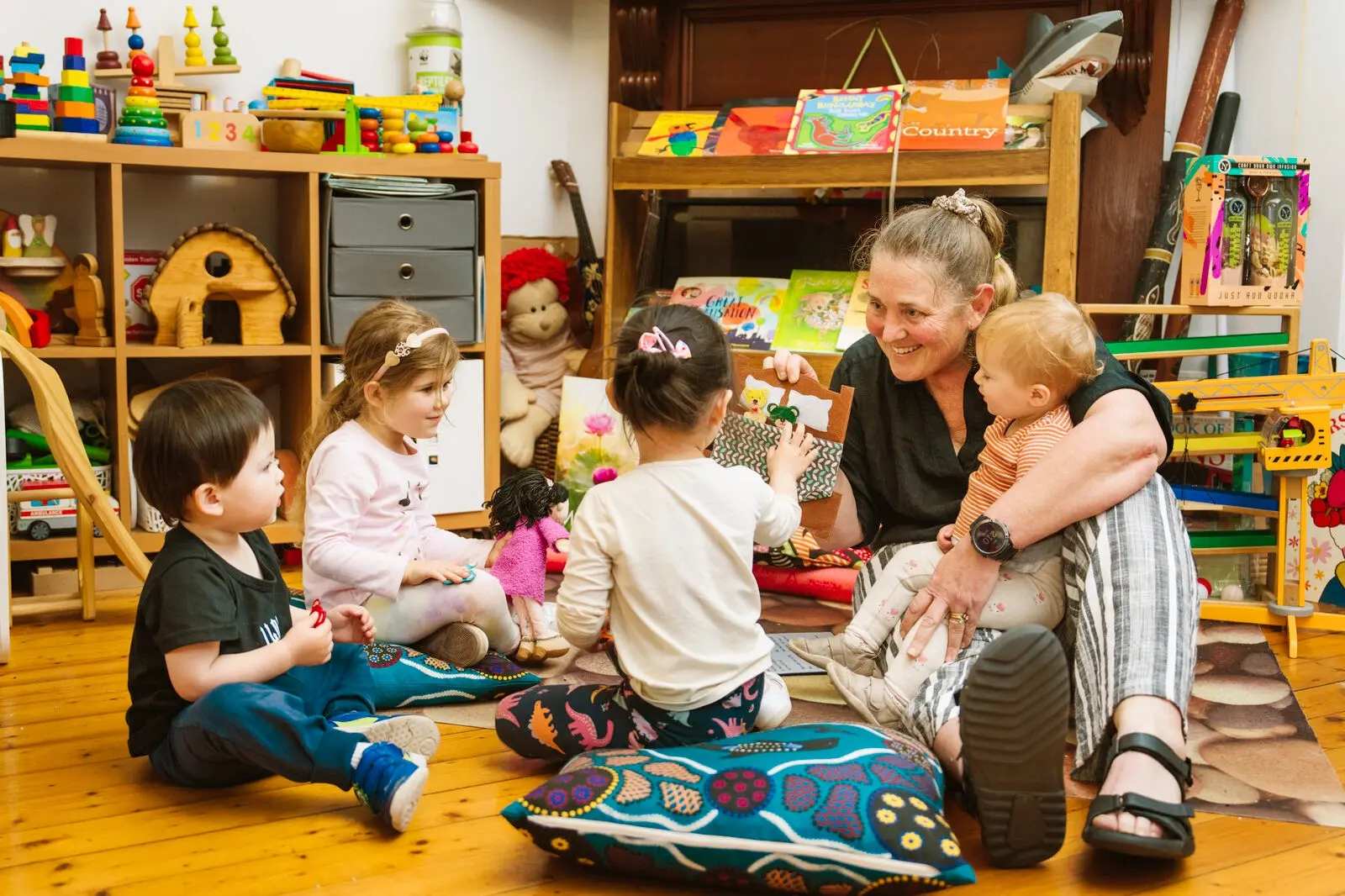
-(1).avif)
Children are missed when early signals are fragmented.
A behaviour change. A disclosure fragment. A family stress signal. A repeated concern.
On their own, these observations may not appear significant. But when concerns accumulate across time, people and contexts, the picture can change. Most systems capture incidents. SAFE helps organisations recognise emerging risk before a crisis occurs.
The Solution
A Flight Control Tower for Child Safety.
Rather than relying on isolated reports, SAFE gives leaders a real-time, population-level view of risk across their entire organisation.
See where concerns are emerging, where patterns are forming, and where attention is needed before a crisis occurs.
2
Beyond Record Keeping
SAFE Does More Than Record Concerns
A spreadsheet can store a report. SAFE helps assess concern.
By connecting observations across time and context, SAFE helps organisations identify patterns that individual records often miss. It combines structured observations, risk intelligence and expert review to support informed decision-making.
Why Now
Australia is entering a new era of child-safety accountability.
Services, leaders and approved providers are facing increasing expectations around safeguarding, governance and evidence.
Child safety is no longer measured by policies alone. Organisations must be able to demonstrate how concerns are identified, reviewed, escalated and actioned.
SAFE helps create the visibility, consistency and evidence needed to support safer outcomes for children.
Technology surfaces the signal.
People make the decision
SAFE is decision-support infrastructure.
It does not replace educators, child protection professionals or organisational leaders. Instead, it helps them see what fragmented systems miss by bringing observations, patterns and evidence into one structured pathway.
The goal is not to automate judgement.
The goal is to support better judgement.
Confidence when decisions matter most.
SAFE brings child protection expertise into the review process, helping organisations understand what has been recorded, what patterns may be emerging and what action may be required.
That may include monitoring, support, referral, escalation or mandatory reporting.
The purpose is not to leave educators carrying difficult decisions alone. It is to give them a stronger pathway.
Risk does not disappear because time passes.
A child's safety picture is rarely contained within a single observation.
SAFE preserves signals across time, helping organisations maintain continuity even when staff change, rooms change or concerns emerge gradually.
Each observation becomes part of a structured record that can connect patterns and support earlier intervention.

Boards cannot govern what they cannot see.
SAFE provides leaders and approved providers with greater visibility of child-safety concerns across services.
By turning individual observations into population-level intelligence, SAFE helps organisations identify emerging trends, strengthen governance and direct resources where they are needed most.