years of development


-01.04.26.avif)

The Global Early Warning System for Child Safety
Child Safety
Early Warning
System
Every organisation using SAFE reduces the risk of unreported harm to children. SAFE creates a systemic shift in how Australia's early childhood sector identifies and responds to child safety concerns
Structured observation. Pattern detection.
Expert review. Audit-ready evidence.
Built over more than a decade.
Designed for high-stakes child safety.
children assessed
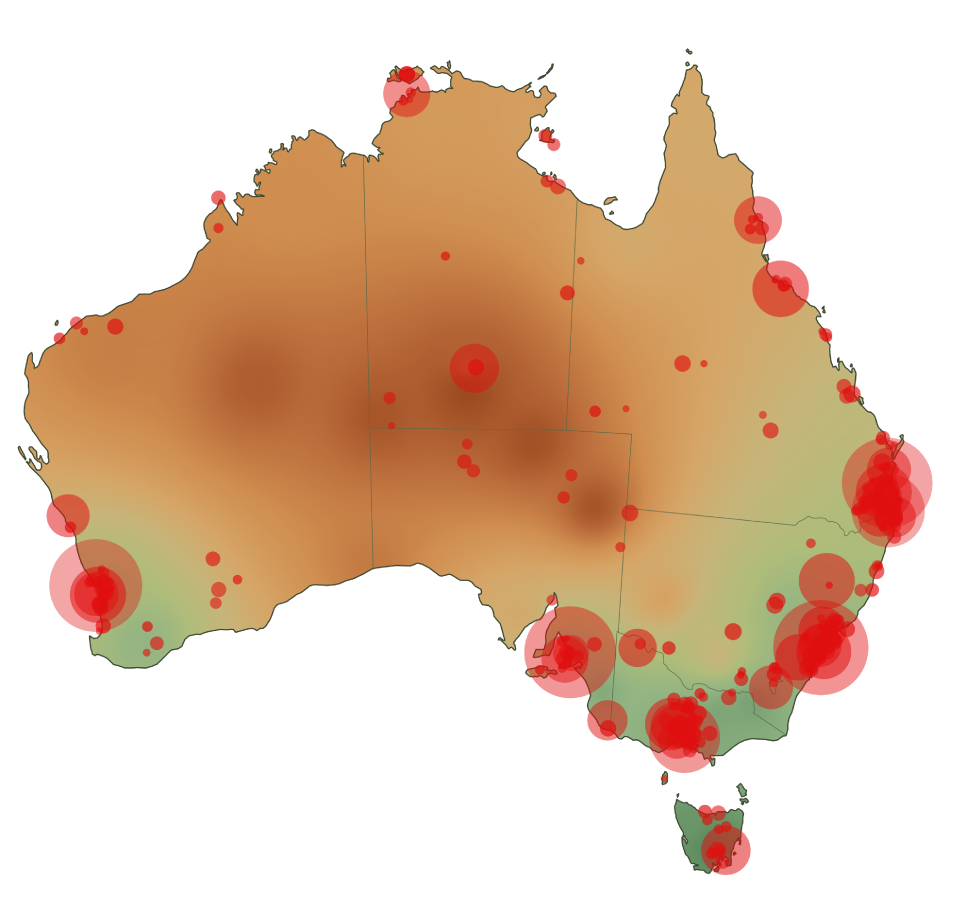
services have used SAFE
government, research & sector relationships.
14yrs
Years of
development
68,943
Children
assessed
1,000+
Services
used
23+
Government, research & sector relationships
Continued
Expert Review
Audit-ready
Evidence
Australian-built
Infrastructure
What SAFE does
SAFE turns fragmented concern into structured child-safety intelligence.

Frontline staff record concern in a structured, consistent way.
SAFE preserves signals across time, context and repeated observations.
Human child-safety expertise validates and guides action.
SAFE creates an audit-ready record of what was noticed, reviewed and actioned.
Australia is entering a new era of child-safety accountability.
Early childhood is the first urgent market because services, operators, boards and regulators now need stronger evidence that child-safety risk is being seen, documented and escalated responsibly.
SAFE is responding first where the need is immediate.
Our foundation is laid upon 12 years of frontline experience and informed by the patterns of more than 67,000 children.
We have seen where the gaps are. The places where "paperwork" fails and where predators hide in the hesitation of adults.
By joining hands with the CSIRO and aligning with national frameworks, we have turned lived experience into a National Child Safety System. We are here to ensure that every professional has the confidence to act, and every child has a guardian that never blinks.

Children are missed when early signals are fragmented.


-(1).avif)

.avif)


-(1).avif)

.avif)

What may look small on its own can become significant when seen together.
SAFE connects early observations over time, helping institutions see when a child’s risk picture may be changing. A single concern may sit below the threshold for formal action. But when concerns accumulate, connect and are assessed properly, the picture can change. That is why SAFE exists.
Childcare is the beachhead.
Child safety is the category.
SAFE begins in Australian early childhood, then expands across:
Australian ECEC, ~18,000 services under the NQF.
Phase 1 · ActiveK–12 safeguarding, duty of care, reportable conduct.
Phase 2 · AdjacentClubs, coaches, volunteers, travel & camps.
Phase 2 · AdjacentYouth, faith-based and out-of-school programs.
Phase 2 · AdjacentNDIS services & dependent-care environments.
Phase 3 · VulnerableBehavioural, developmental & medical signals.
Phase 3 · VulnerableDependent-adult settings & institutional accountability.
Phase 3 · VulnerableComparable child-facing markets worldwide.
Phase 4 · InternationalAustralian Early Childhood Education and Care
SAFE provides the predictions.
Experts make the calls.
SAFE identifies patterns that human teams might miss. However, every alert, decision, and action is reviewed and confirmed by qualified child protection professionals. The system supports and defers to human expertise at all times.
What SAFE Does:
- Identifies patterns across observations and incidents
- Surfaces early signals that warrant attention
- Supports professional judgement with structured insight
- Subordinate to expert human oversight — always
What SAFE Does Not:
- Diagnose abuse
- Make determinations about children
- Replace professional judgement
- Act without human oversight
Every child
deserves to be seen - and heard.
Whether an organisation or a growing network, SAFE gives every site the same expert-backed safety infrastructure. No inconsistency. No gaps.
No excuses when regulators ask how you missed the warning signs.


.avif)


.avif)