The Girl Who Divorced Her Parents
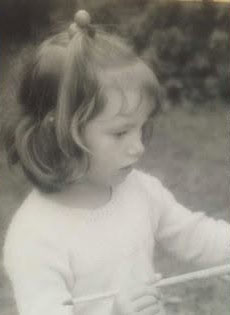
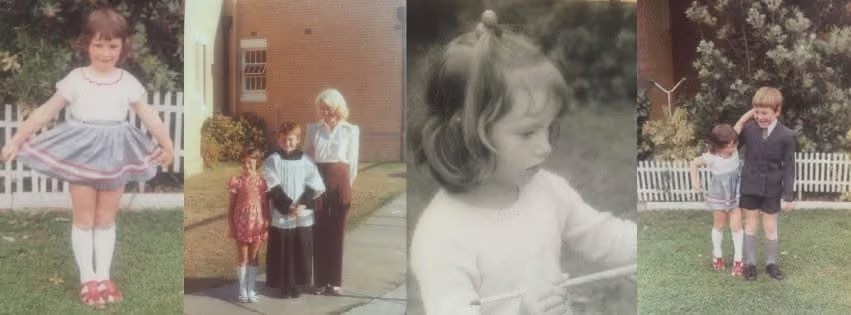
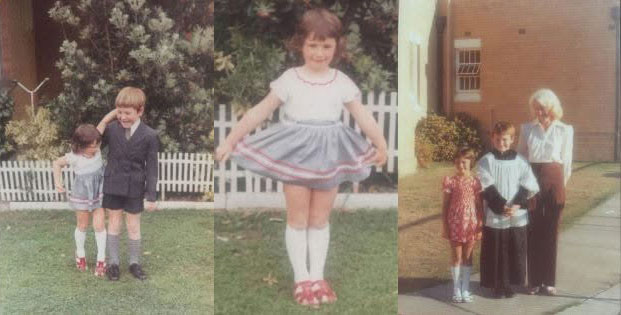
Before I built a system to protect children, I was the child no system protected. Before I was Ruby, I was Melanie, a child who suffered extreme violence from birth.
At 2 weeks old, I was given away in a forced adoption, placed by the government into a marriage that was already violent.
At 6, I was sexually assaulted by a 17 year old boy, a neighbour who used to babysit me. My father beat him for it, but the crime was never reported. The violence in our house got worse from there, and I was made to carry the guilt for what had been done to me.
At 10, my father tried to drown me in the Lower Plenty Creek in Melbourne. Joggers found me on the banks of the creek and revived me. My father told them I had run in on my own. He beat me again in the car, for being found.
That's when I made a decision. I tried to escape so many times that I was temporarily sent to a children's home, but the nuns there told me I couldn't live with them like the other children because I had legal guardians, which the law dictated. So, I asked to read the law. I found the gap, took it to a judge, and became a ward of state.
I became The Girl to Divorce Her Parents in Australia.
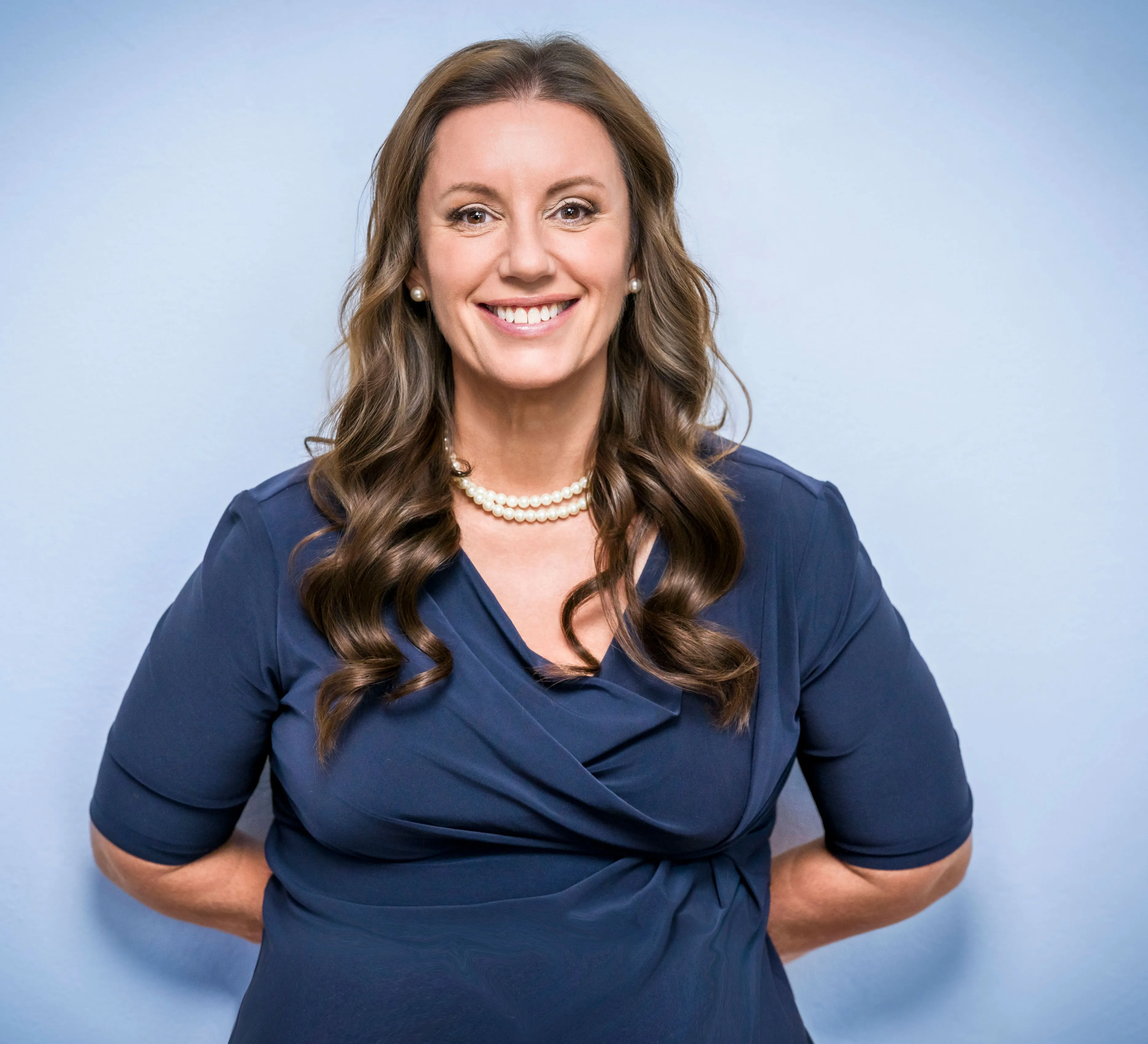
At 27, I let go of the name Melanie and became Ruby O'Rourke. Free of the shame that was never mine to carry, but still holding the scars, and the clarity that came from surviving them.
I don't romanticise resilience. I know what it costs. I know what happens when children are missed, when the signals are there and no one acts on them, when the systems meant to protect a child protect themselves first.
SAFE was built from my lived experience. It exists to do what no one did for me: see the signals of harm, act on them to protect a child's innocence.
This is a case study. And it’s my childhood. My story isn't just about surviving. I now exist to give agency to children.