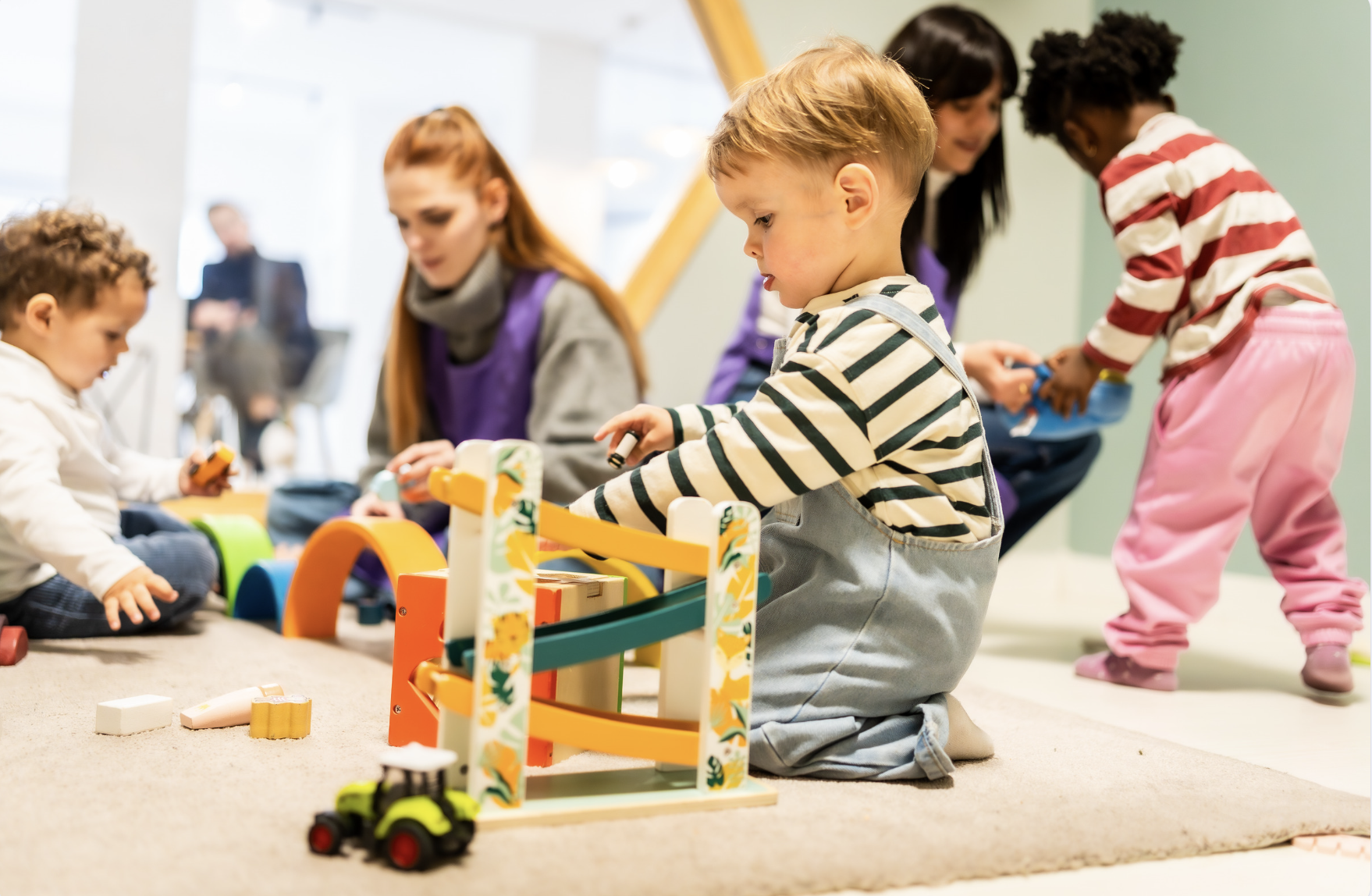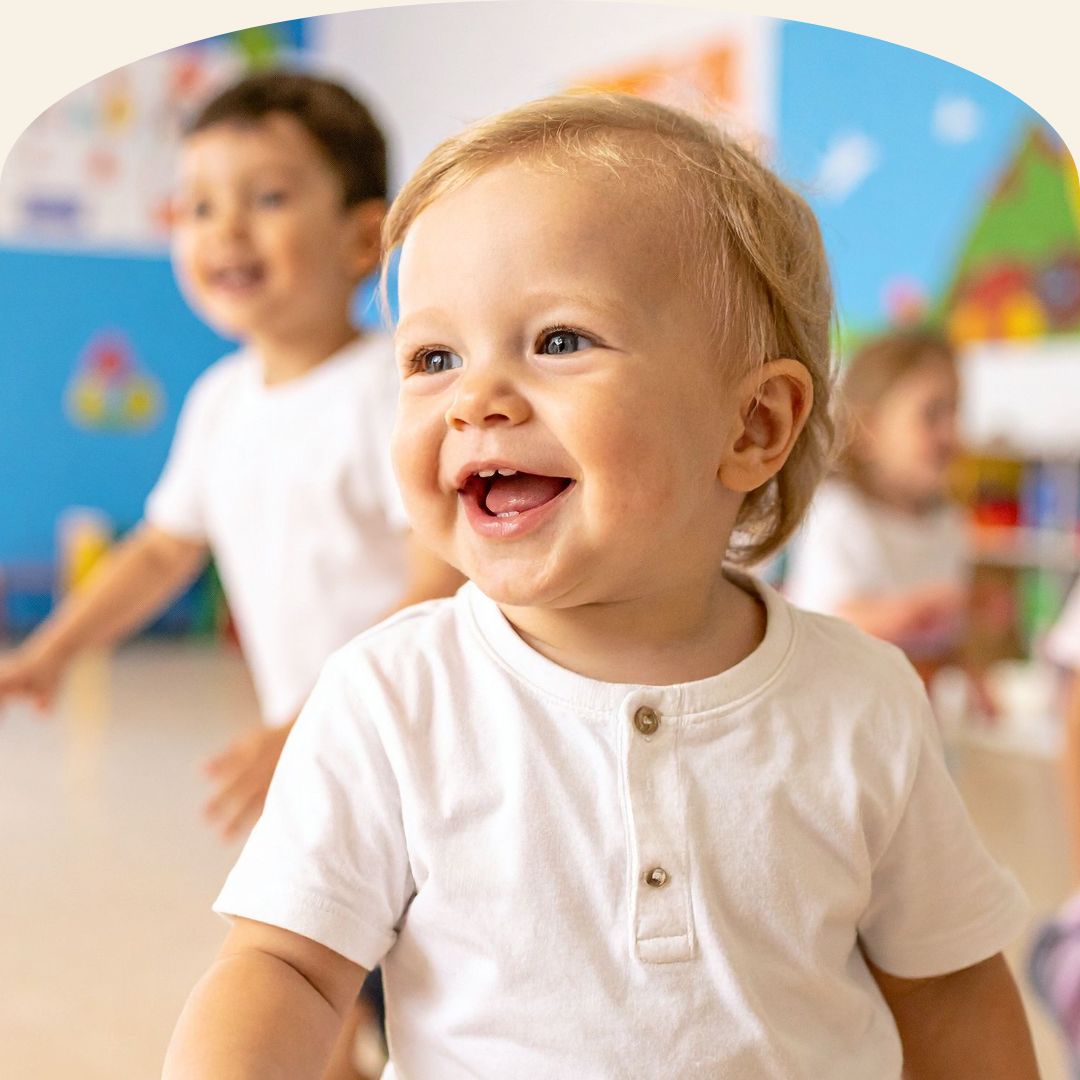

Children experience safety very differently.
Long before they understand language, they are reading the world around them. A look. A posture. A held breath. The rhythm of a room. Before they can ask with words, they are asking something much quieter:
Am I safe here?
Most of us think we know what safety means for a child. Locked cabinets. Fenced pools. A car seat clicked in correctly. These things matter, and no article should suggest otherwise. But that quiet question children are always asking is not the same as “will something hurt me here.”
Safety, to a child, is not the absence of harm. It is the presence of relationships, environments and experiences that let them develop confidence, curiosity, belonging and resilience. Safety is the soil. Thriving is what grows from it.
This is the foundation beneath everything SAFE does, including early detection. What follows explores what it looks like, one thread at a time.
Connection Comes First
Children don’t experience safety as an idea. They experience it as a relationship.
Long before a child can understand a rule or follow an instruction, they are reading the adults around them: a warm glance versus a sharp one, an open posture versus a tense one, a voice that stays steady when a moment gets hard. These small, wordless exchanges are how a child first learns whether the world is trustworthy.
This is the work of attunement, a caregiver noticing the tiny shifts in a child’s mood and answering them, through expression, tone, or touch, in a way that says I see you, and what you’re feeling makes sense. Repeated enough times, this becomes attachment: the quiet, accumulated evidence that someone is paying attention. A child who has this evidence carries it with them into every new room, every new person, every new challenge. A child without that connection is left doing that work alone.
Connection is not a soft addition to childhood. It is the architecture upon which emotional security, learning and healthy relationships are built. Everything else grows from there.
Children who feel safe with people begin making sense of places.

Environment Shapes Wellbeing
Every environment teaches a child something about the world they are growing into.
A child does not need to be told a room is chaotic to feel unsettled in it. Sound, light, texture, and pace all speak directly to a child, often before any adult has said a word. A space that is too loud, too bright, or too unpredictable can leave a child on edge even when nothing is technically wrong. A space that is calm and purposeful does the opposite: it gives a child the freedom to explore, to play, and to settle into learning.
Predictability plays a quieter but equally important role. Children feel safer when they have some sense of what to expect from their day, their room, their routine. This is not about rigidity. A consistent rhythm to the day, a corner that is reliably calm, furniture and materials arranged with a child’s sensory needs in mind: these are all forms of safety that have nothing to do with locks or gates, and everything to do with what a child absorbs simply by being present in a space.
Good environments are not neutral backdrops. They are quietly, constantly, teaching.
In early learning settings, this sense of psychological safety allows children to engage more confidently with people, routines and learning experiences.
Safe environments create the conditions for emotional safety.
Emotional Safety Builds Resilience
Behaviour is often the language children use before they have the words.
Every child needs to know that their emotions, even the inconvenient ones, are welcome. Validation is not the same as permissiveness. It means letting a child know that anger, fear, sadness, or overwhelming excitement are not problems to be shut down, but experiences to be understood. When a child’s big feeling is met with a steady adult rather than a dismissive one, that child learns something they will carry for life: my inner world is not something to hide.
This is where resilience actually begins. Not in being taught to “toughen up,” but in the accumulated experience of being met with care during hard moments, and discovering that those moments pass, and connection remains. A child whose behaviour is read as communication, rather than defiance, is a child being given the chance to build genuine emotional literacy rather than simple compliance.
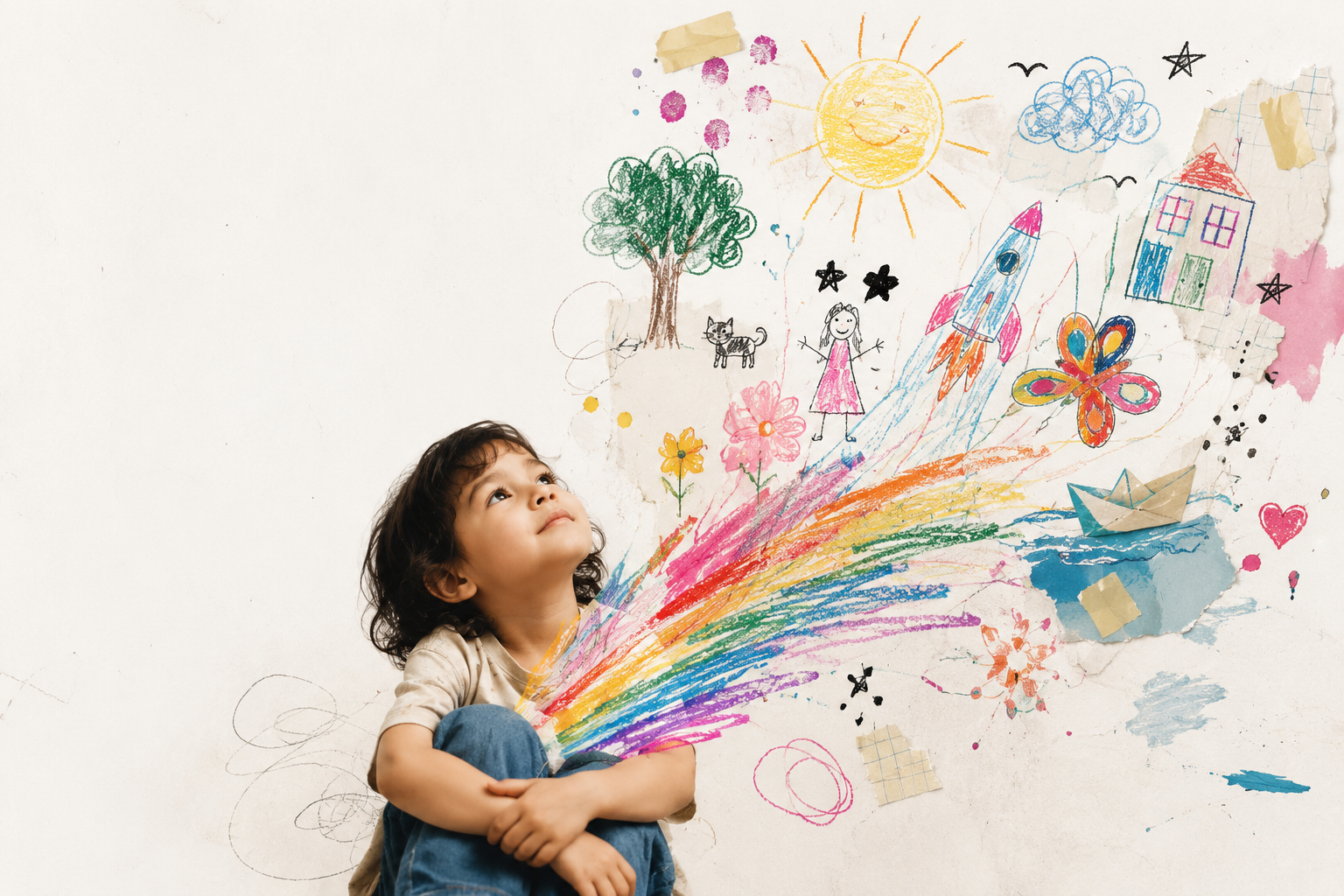
A child’s art often says what their words cannot yet reach. A drawing, a colour chosen again and again, a scene created and then scribbled out, can be as honest a form of communication as anything spoken aloud. A caregiver who takes the time to really look, without rushing to interpret or correct, is offering the same kind of attunement that builds safety anywhere else.
When a child feels understood, something shifts. The energy that was going toward managing distress becomes available for something else.
When emotional needs are met, curiosity begins to emerge.
Nourishment Is More Than Nutrition
Trust grows every time a child discovers their body will be listened to.
Food is one of the earliest places a child learns whether their own signals will be respected. Many children find real comfort in routine at the table: familiar foods, predictable mealtimes, a sense of what to expect on the plate. New tastes are still worth introducing, but they land best offered gently and without pressure, alongside something already loved, with no expectation attached.
What matters most is what happens when a child says no. A refusal is information, not defiance. The most respectful response is not to push, but to notice, and to keep a workable alternative on offer. In practice, this looks like a simple division: the adult decides what is offered, when, and where; the child decides whether, and how much, to eat. That small piece of autonomy, offered consistently, is where trust in one’s own body begins to form, and it matters just as much as the nutrition itself.
When children’s physical and emotional needs are met, they naturally begin to explore.

Play Is the Expression of Safety
Play is what children do when they feel safe enough to wonder.
Play is not another item on the list of things children need. It is what happens once everything above is in place. A child who feels connected, settled in their environment, emotionally understood, and trusted around their own body, is a child with the freedom to imagine, to create, and to take the kind of risk that builds real confidence, the risk of trying something without knowing if it will work.
The richest play tends to be the least engineered: an unstructured afternoon, a game invented on the spot with no rulebook, an ordinary object turned into anything a child needs it to be. Left to direct their own play, children negotiate, problem-solve, fail safely, and try again, all without an adult scripting the outcome. Digital technology has a place in children’s lives, but it rarely asks the same things of them as open-ended play. A game invented together, a cardboard box transformed into a spaceship, or an afternoon spent outdoors invites children to imagine, negotiate, adapt and create in ways no pre-designed experience can fully replicate. Protecting some part of each day for that kind of open, self-directed play is one of the simplest and most powerful things we can offer.
Play, in the end, is not the reward for feeling safe. It is the evidence of it.
A Moment to Slow Down
None of this happens in grand gestures. It happens in the small, ordinary moments of an ordinary day: a look exchanged across a room, a routine kept even on a hard morning, a feeling named instead of dismissed, a food offered without pressure, an afternoon left open enough for a child’s imagination to fill it. Thriving is not built in a single conversation or a single decision. It accumulates, quietly, in moments most adults will never think to count.

Where Thriving Begins
Every meaningful relationship, every thoughtfully designed environment and every moment of responsive care contributes to something much larger than a child’s happiness. Together, they create the conditions in which a child can flourish.
When children feel genuinely safe, they become curious.
When they become curious, they learn.
When they learn, they grow.
And when they are supported to grow, they thrive.
That is where thriving begins.

Latest from SAFE.
Articles, explainers, national reform commentary and safeguarding system analysis - published as the conversation moves.